Chess Taught Me These Brutal Life Lessons
Chess is often referred to as a game of intelligence, but anybody who has actually played it understands that it is life squeezed into 64 squares. Every action has repercussions. Every error is punished. Every triumph is achieved gradually, painstakingly, and often painfully.
Chess not only improved my strategic skills over time, but it also taught me brutally honest life truths. Lessons in patience, direction, power, freedom, and survival. Lessons that apply equally to employment, relationships, finances, and personal development as they do to the boardroom.
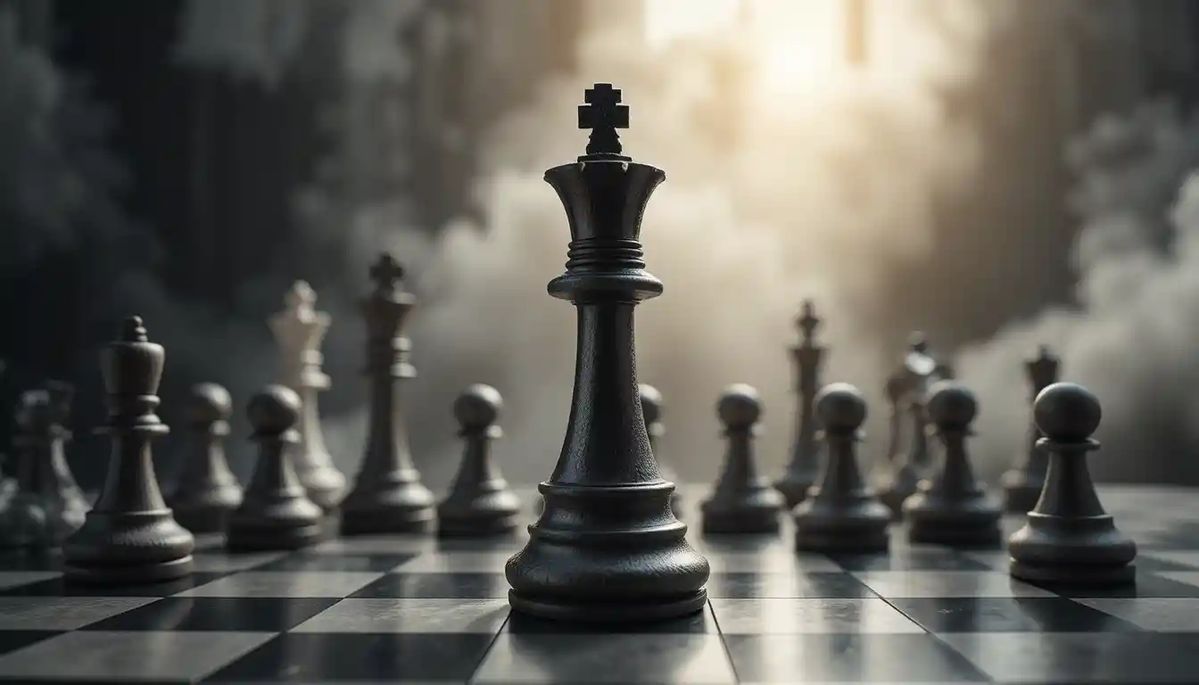
Here are the most significant life lessons I learned from chess and its pieces.
1. Pawn
Progress Begin One Square at a Time.
The pawn is chess’s weakest piece. It travels slowly. Move one square ahead. No shortcuts. There are no major leaps.
Beginners often overlook the fact that each queen on the board began as a pawn.
The Life Lesson
Real-life progress is painfully slow—which is to be expected.
We live in a society fascinated with sudden success. Social media shows us the highlights, not the years of unnoticed labor that went into them.
Chess teaches something far more realistic:
- Genuine progress occurs incrementally.
- Skills accumulate, one modest progress at a time.
- Careers are developed through regular effort and not abrupt jumps.
- Personal transformation happens constantly, not instantaneously.
A pawn takes its time. It does not complain about not becoming a queen yet. It just travels forward, square by square.
Brutal Truth
Most people fail, not because they are weak, but because they give up too soon. They underestimate the value of incremental, continuous development.
In life, like chess:
One workout matters.
One page read matters.
One disciplined decision matters.
Move onward. Even if it’s only one square today.
2. Knight
Not All Paths are Straight.
The knight seems strange. It leaps. It zigzags. It travels in ways that don’t first seem to make sense.
The knight, however, can go where no other piece can.
The Life Lesson
A straight life path is not necessary for purpose.
Because their trip doesn’t appear “normal,” many people feel lost:
Changes in career
Businesses that failed
Degrees dropped
Start times are late.
Indirect routes are not incorrect ones, as chess tells us.
The knight could require more time. It can make onlookers confused. However, there are instances when it’s the sole component that can resolve the issue.
The Brutal Truth
You will feel like a failure each time life takes you in a different direction if you only value straight-line development.
Yet detours:
Develop resilience
Extend your viewpoint
Provide special benefits
You could triumph eventually because of your unorthodox way.
3. Bishop:
Direction Defines Effectiveness.
Despite his power, the bishop has limitations. It only makes diagonal movements. Regardless of the player’s skill level, a bishop on the incorrect diagonal might become nearly worthless.
The Life Lesson
Without guidance, talent is just squandered potential.
Even if you are bright, diligent, and driven, your efforts will yield little if they are directed in the wrong direction.
In life:
Burnout results from effort without focus.
Ambition without direction breeds annoyance.
Purposeless hard labor results in nothingness.
When positioned on the right diagonal, the bishop flourishes. People also do.
The Brutal Truth
Not everything serves for you.
Certain relationships, habits, or occupations exhaust you because they don’t play to your talents. Playing chess encourages us to follow our instincts rather than resist them.
Determine where your skills are most effective, then give it your all.
4. Rook:
Structure Is the Source of Power
The rook appears simple. erect lines. No gimmicks. However, rooks become destructive when they are joined and placed on open files.
The Life Lesson
Real strength is unlocked by structure and discipline.
Motivation is not always dependable. Talent is not constant. However, systems produce outcomes.
A rook trapped behind pawns is weak in chess. Even gifted people suffer in life if they lack organization.
Structure appears as follows:
Typical Activities
Timetables
Limitations
Long-range strategies
The Brutal Truth
Freedom without discipline results in a state of chaos
Despite their desire for achievement, many people oppose structure. Chess demonstrates how respect for structure leads to the emergence of power.
Develop routines. Establish systems. When the motivation wanes, let discipline take over.
5. Queen:
Power Increases with Freedom
The queen’s freedom of movement makes her the most powerful piece on the board, not because she is careless.
She is able to travel anyplace. Take aim at anything. Manage the space.
The Life Lesson
Freedom increases one’s capacity.
Freedom in real life originates from:
Being financially independent
Mastery of skills
Mental lucidity
Control of emotions
Your choices become more impactful the more options you have.
The catch is that a negligent queen frequently passes away first.
The Brutal Truth
Power without limits is dangerous.
Many people gain freedom—money, influence, authority—and lose everything because they lack discipline.
Chess teaches balance:
Increase your choices
Extend your range
But remember that you have responsibilities.
Controlled freedom is the essence of true power.
6. King:
Survival Comes First.
The strongest piece is not the king. He doesn’t make many attacks. The board is not dominated by him.
However, the game ends when the king falls.
The Life Lesson
Your fundamental stability, tranquility, and health always come first.
You can strive for fame, fortune, and success, but if you give up:
Mental well-being
Physical health
Family
Honor
No matter how great your accomplishments appear, you lose.
Early king safety is a top priority for astute chess players. Wise individuals safeguard their foundations before pursuing rewards in life.
The Brutal Truth
Self-destruction is not worth any success.
Chronic stress, burnout, and shattered relationships are checkmates masquerading as ambition.
Keep your king safe.
The Bigger Picture: Chess is a Mirror
Chess doesn’t tell lies.
It reveals:
- Lack of patience
- Ego
- Fear and Overconfidence
- Insufficient preparation
- Every loss is painful, but it also teaches.
- The same is true in life.
Even if the world is frequently unjust, you don’t lose because of it.
The reason you lose is:
You went too quickly.
You disregarded the framework.
You put greed ahead of safety.
You had no direction.
Additionally, if you learn, life always presents a new game, much like chess.
Concluding Remarks: Why Playing Chess Makes You Smarter, Not Wiser
Playing chess improves more than just mental acuity. Character is hardened by it.
What it teaches:
Being patient in a fast-paced environment
Using strategy in a chaotic life
responsibility for every decision
The board is small, but the teachings are huge.
Thus, keep this in mind the next time life seems too much to handle:
Move steadily and patiently, like a pawn.
Think creatively and adaptably like a knight.
Concentrate like a bishop: planned and in alignment
Build like a rook—disciplined and organized
Be free but in control, like a queen.
Never fail to defend your king.
Because every move counts in chess, just as in real life.