
How self-Discipline Can Change Your Income and Career
The Ultimate Guide to Building Success Without Luck or Burnout
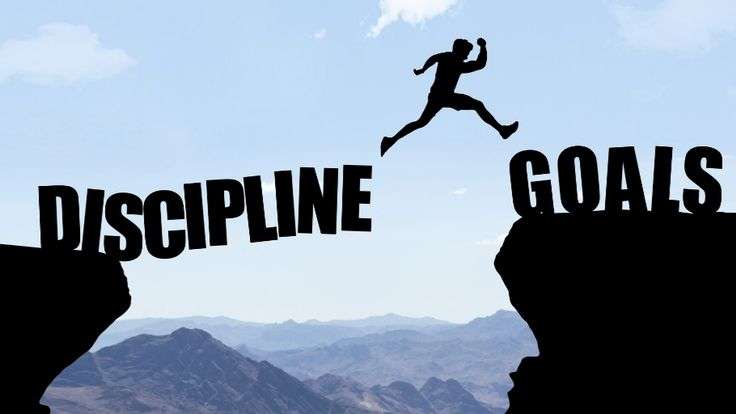
Talent Opens Doors, Self-Discipline Keeps Them Open
Many individuals think that skill, contacts, or good fortune are the keys to a successful job. Although beneficial, those elements do not ensure sustained growth. If skill alone generated riches, gifted individuals would never suffer financially.
Self-discipline is the true distinction between top performers and mediocre earnings.
Self-control is the ability to:
Do what has to be done—even when motivation diminishes
Postpone immediate comfort in favor of long-term gain
When findings are not apparent, maintain consistency.
Self-discipline is the key to changing occupations and earnings, regardless of whether you work as an employee, freelancer, entrepreneur, or business owner.
This article will teach you:
- Why motivation is less important than self-discipline
- How disciplined habits compound into career growth
- Useful methods for creating unbreakable discipline
- How income is directly increased by discipline
- Examples from the real world and practical frameworks.
- What Self-Discipline Is and Why It’s Important for Your Career
The capacity to restrain urges, maintain concentration, and act based on long-term objectives rather than fleeting feelings is known as self-discipline.
- Self-discipline manifests itself in your work as:
- Regularly fulfilling deadlines
- Acquiring new abilities without coercion
- Being ready each and every day
- Enhancing performance even in the absence of spectators
- Customers, consumers, and employers may not always perceive motivation, but they do notice consistency.
- And consistency is discipline in action.
Self-Discipline Vs Motivation- Why Discipline Wins
Emotions are the source of motivation. It’s structural.
Motivation:
- Comes and goes
- Depending on how you’re feeling
- fades while under duress
Self-Discipline:
- Even on terrible days, it works
- creates mechanisms rather than depending on emotions
- yields outcomes in any situation.
- Professionals that are successful don’t wait to “feel like it.”
- They act first—and let inspiration catch up later.
How Self-Discipline Can Transform Your Career
1. Professional reputation and trust are enhanced by discipline.
Delivering regularly makes a person dependable.
Trustworthy experts:
Get promoted more quickly
Get improved chances
Gain more responsibility
In the workplace, trust is money.
Your career picks up speed when bosses realize they can rely on you.
2. Self-discipline makes you skill-rich, not simply busy.
People that are disciplined make a regular effort to develop their skills.
Instead of scrolling constantly, they:
Examine market trends
Learn high-income talents
Practice carefully
This eventually leads to a huge competence difference between professionals who are disciplined and those who are not.
Proficiency equals leverage
Increased revenue due to leverage
3. Discipline Brings Focus in a Distracted World.
The silent career killer is distraction.
Professionals with self-control:
Limit your use of digital devices
Safeguard long workdays
Set high-impact tasks as a priority.
Concentration enables you to:
Generate better work
Solve challenging issues
Provide value that others are unable to
better value always translates into better compensation.
The Clear Connection Between Income and Self-Discipline
Value builds via discipline, and income rises as value does.
Here’s how discipline boosts earnings:
Consistency Increases Production
Daily mediocre labor is preferable than sporadic outbursts of greatness.
Dependability Boosts Earnings
Disciplined freelancers make more money than gifted but erratic ones.
Long-Term Planning Creates Wealth
Income is carefully invested, saved, and reinvested by disciplined earners.
Income builds up gradually rather than suddenly.
This is not theory—it’s a plan.
High-Income Habits Built on Self-Discipline
1. Time Discipline
Time is respected by high earners.
They
Organize their day.
Combine related jobs in batches
Get rid of time-wasting practices
Time management turns hours into outcomes.
2. Learning Discipline.
Even in painful situations, they learn.
For instance:
Rather than binge-watching, read
Rather of putting things off, practice
Learning abilities before they are “needed”
Early learning confers an unfair edge later.
3. Discipline in Money
Without discipline, income vanishes.
Professionals with discipline:
Keep tabs on your spending
Prevent inflation in your lifestyle
Invest in expansion
As a result, there is financial security, which boosts confidence in one’s job.
A Practical Framework for Developing Self-Discipline
Step 1: Establish Unchangeable Guidelines
Clear guidelines make discipline easy.
For instance:
“I work on my skill for 30 minutes daily—no excuses”
“I don’t miss deadlines, period”
Decision fatigue is eliminated by standards.
Step 2: Create Systems Rather Than Willpower
Willpower is a finite resource. Systems are trustworthy.
Use:
Lists of things to accomplish
Blocks of time
Trackers of habits
Discipline is automatic when there is structure.
Step 3: Be Consistent and Start Small
Discipline is taught, not imposed.
Rather than: Three hours of labor once a week
Do: 30 minutes every day
Intensity is inferior to consistency.
Step 4: Accept Postponed Appreciation
Income and career benefits come later.
Develop the ability to:
Reject comfort in the near term.
Say yes to long-term growth
Every well-considered decision you make is a vote for your future self .
Typical Myths Regarding Self-Discipline
Myth 1: People with discipline are inflexible
The truth is that freedom comes from discipline.
Myth 2: Creativity Is Killed by Discipline
The truth is that creativity is made possible by structure.
Myth 3: You Have Discipline or Not..
The truth is that anyone can learn to be disciplined.
An Actual Example of Discipline in Action
Two pros start at the same level.
Individual A
Only when motivated
stays away from learning after work hours
Chases short cuts
Individual B:
enhances abilities every day
continually shows up
Investing in expansion
After five years, Person B makes two to three times as much money—not because of skill, but because of discipline.
Everywhere you look, this pattern is repeated.
Self-Control Prevents Burnout in the Workplace
Despite what many people think, discipline lessens burnout.
Why?
Clear procedures alleviate stress
Overwhelm is avoided by planning.
Progress boosts motivation
People get burned out by chaos. Energy is safeguarded by discipline.
Final Conclusion: The Ultimate Career Multiplier Is Discipline
Self-discipline doesn’t merely boost productivity—it reshapes identity.
When you develop self-control:
Your self-assurance increases
Your abilities grow
Your earnings come next.
No shortcuts. No hacks. Just execution that is constant.
Recall:
Opportunities do not restrict your career; discipline does.
Your future earnings will appreciate it if you train it every day.