4 Japanese Self-Care Habits That Really Work
Easy, Practical Japanese Techniques for a Healthier Body and Mind
People frequently picture opulent spas, pricey goods, or social media-friendly practices when they hear the word “self-care.” Self-care is significantly different in Japan. It is subtle, useful, ingrained in society, and a part of daily existence.
Self-care is not considered an occasional reward by Japanese people. Rather, they view exercise as a daily obligation to their bodies, minds, and even society. Because of this, Japan continuously scores highly in terms of life expectancy, mental toughness, and general quality of life.
Based on genuine practices used throughout Japan, we’ll examine four effective Japanese self-care methods in this post. These practices are easy to adopt anywhere in the globe since they are straightforward, reasonably priced, and supported by science.
1. Shinrin-Yoku (Forest Bathing): Natural Healing
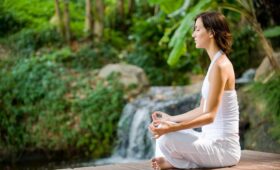
Shinrin-Yoku (forest bathing) is one of the most effective self-care techniques in Japan. This is spending time in nature slowly and attentively, not working out or going trekking.
How It’s Applied in Practice
In Japan:
To help employees feel less stressed, companies urge them to visit woodlands.
As part of wellness therapy, doctors recommend forest time.
Parks, temples, and woodland places are frequently visited by city dwellers.
People take deep breaths, move slowly, listen to noises, and put their phones away. Presence, not production, is the aim.
Why It Is Works
According to Japanese scientific research, Shinrin-Yoku:
reduces the stress hormone cortisol.
lowers blood pressure
enhances the function of the immune system
improves mental clarity and mood
Japanese culture recognizes something that contemporary living overlooks: nature is necessary for the nervous system to reset.
How You Can Apply It
Visit a park or other natural location for 20 to 30 minutes.
Keep your phone in your pocket.
Take it gently and deliberately breathe.
Mental health can be significantly improved by this behavior alone.
2. Daily Bathing and Onsen Routines: Cleaning the Body and Mind
In Japan, taking a bath is a therapeutic ritual as much as a matter of cleanliness.
Deep bathtubs are common in Japanese houses, and public onsen, or hot spring baths, are also well-liked. People take regular baths, frequently at night, to relieve both mental and physical exhaustion.
Real Japanese Bathing Culture
To cleanse the body, take a shower first.
Soak for ten to twenty minutes in hot water.
Stay calm and quiet.
No distractions or phones
This practice is regarded as precious private time.
Why It Is Works
Frequent hot bathing
increases the flow of blood
eases joint and muscular tension
improves the quality of sleep
lessens tension and anxiety
Instead of viewing bathing as a hurried chore, Japanese people view it as a mental cleansing.
How to Use It
Three to four times a week, take warm baths.
Steer clear of screens when taking a bath.
Pay attention to your breathing and relaxation.
Sleep and emotional equilibrium can be greatly enhanced by this easy practice.
3. Hara Hachi Bu: Eating to Live Longer Rather Than Feel Full
Hara Hachi Bu, or “eat until you are 80% full,” is one of the most well-known Japanese self-care tenets.
Okinawa, one of the places with the greatest lifespans in the world, is the genesis of this behavior.
How It’s Used in Japan
Small amounts of meals are offered.
Eating is deliberate and leisurely.
Culture discourages overeating.
Food quality is more important than quantity.
Japanese cuisine, which includes rice, fish, vegetables, and fermented dishes, emphasizes balance.
The Reason It Works
Hachi Bu Hara:
stops obesity and overeating
enhances digestion
lowers the chance of developing chronic illnesses
promotes the health of the metabolism
This practice encourages natural self-control rather than rigid diets.
How You Can Apply It
Eat mindfully and gently.
When you’re “comfortable,” but not full, stop eating.
Make use of smaller plates
This practice promotes mental discipline as well as physical well-being.
4. Ikigai-Providing Purpose-Based Mental Health Care
Ikigai, or “reason for being,” is arguably the most profound self-care practice in Japan.
Self-care in Japan is more than just unwinding; it’s about finding a reason to get out of bed in the morning.
Ikigai in Real Life in Japan
Grandiosity is not necessary for ikigai. For a large number of Japanese, it is:
Growing a garden
Educating pupils
Making handcrafted items
Taking care of family
Developing a talent gradually over time
Because their Ikigai keeps them psychologically alive, retired Japanese seniors frequently continue to remain active.
The Reason It Works
Possessing a purpose:
lessens depression
increases stress tolerance
promotes healthy habits
increases life expectancy
Contribution is valued in Japanese society more than success.
How to Use It
“What gives my day meaning?” ask yourself.
Spend time developing your talents rather than just having fun.
Link your everyday activities to a long-term goal.
Meaning, not motivation, is the first step in mental self-care.
Why Self-Care Practices in Japan Are So Successful
Japanese self-care is effective since it is
Regular, not sporadic
Easy and inexpensive
Cultural rather than commercial
Preventive rather than reactive
These behaviors avoid burnout rather than addressing it.
Concluding Remarks
Japanese self-care focuses on improving life rather than running away from it.
By engaging in:
Shinrin-Yoku (immersion in nature)
Rituals for therapeutic bathing
Eating mindfully with Hara Hachi Bu
Living with Ikigai with a purpose
No matter where you reside, you may create a life that is more balanced, healthier, and tranquil.
It doesn’t need more time or money to practice true self-care. It calls for awareness, intention, and regard for your health—qualities that Japanese culture has perfected.